Semantic Floor Plans
2023/2024
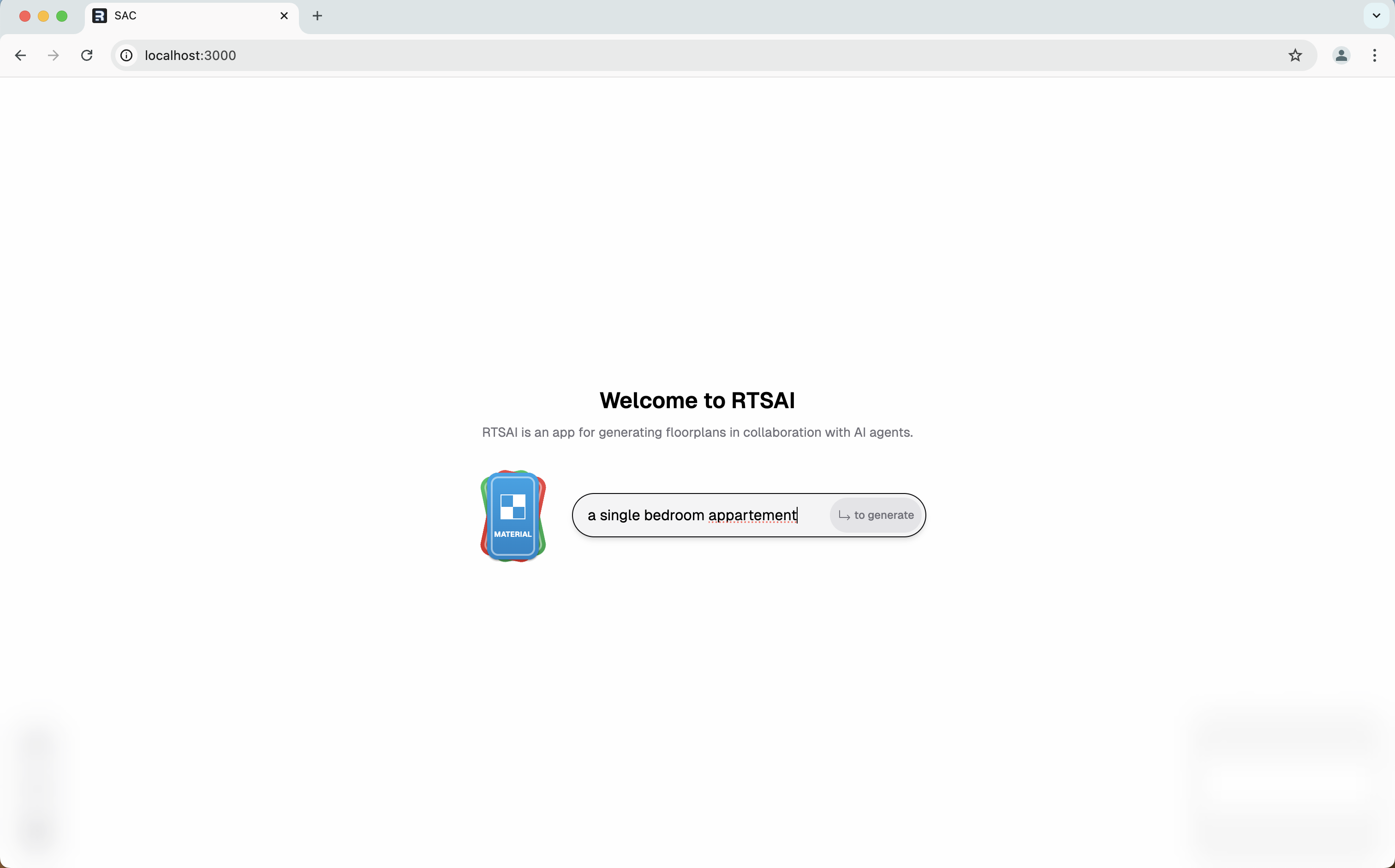
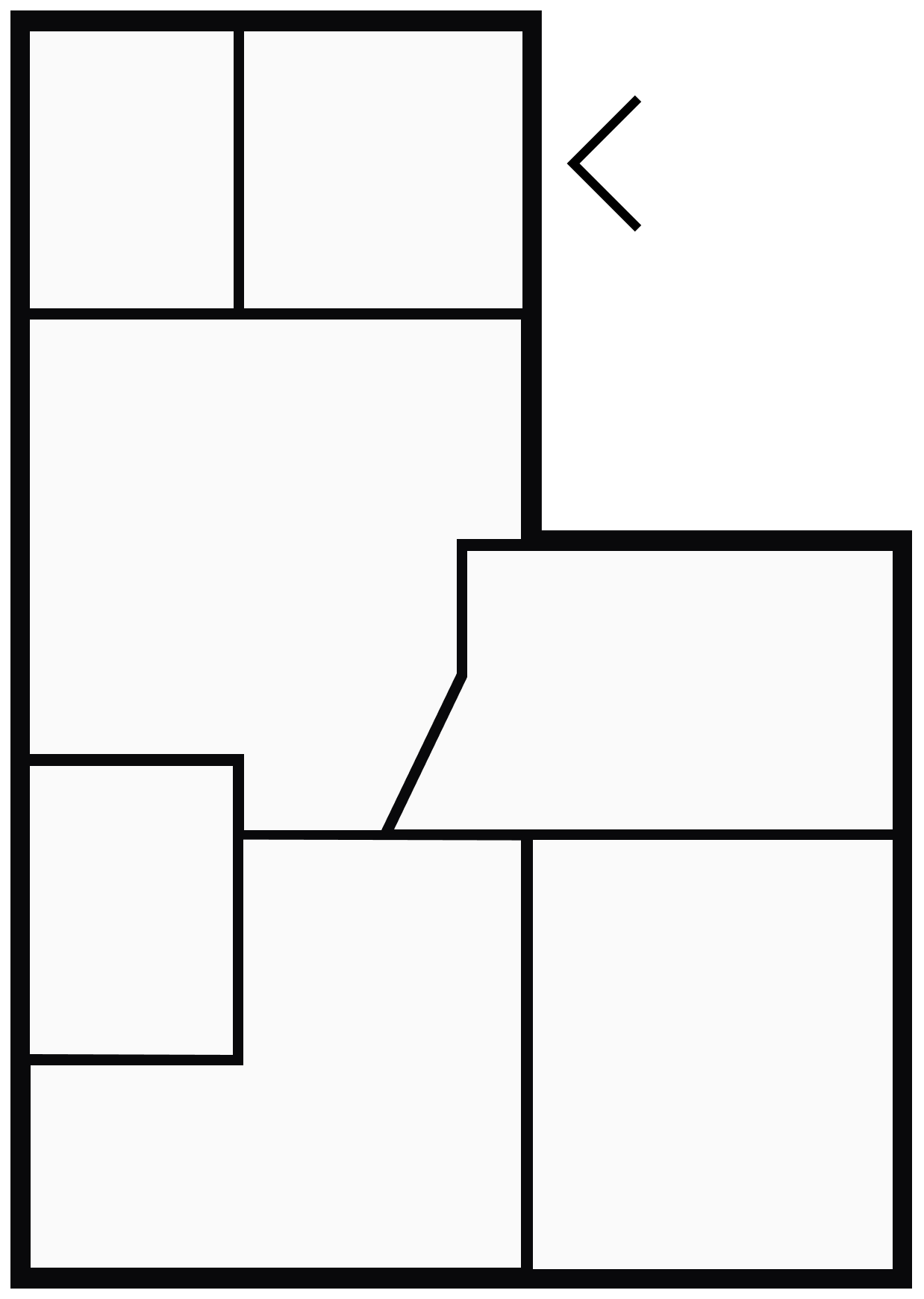
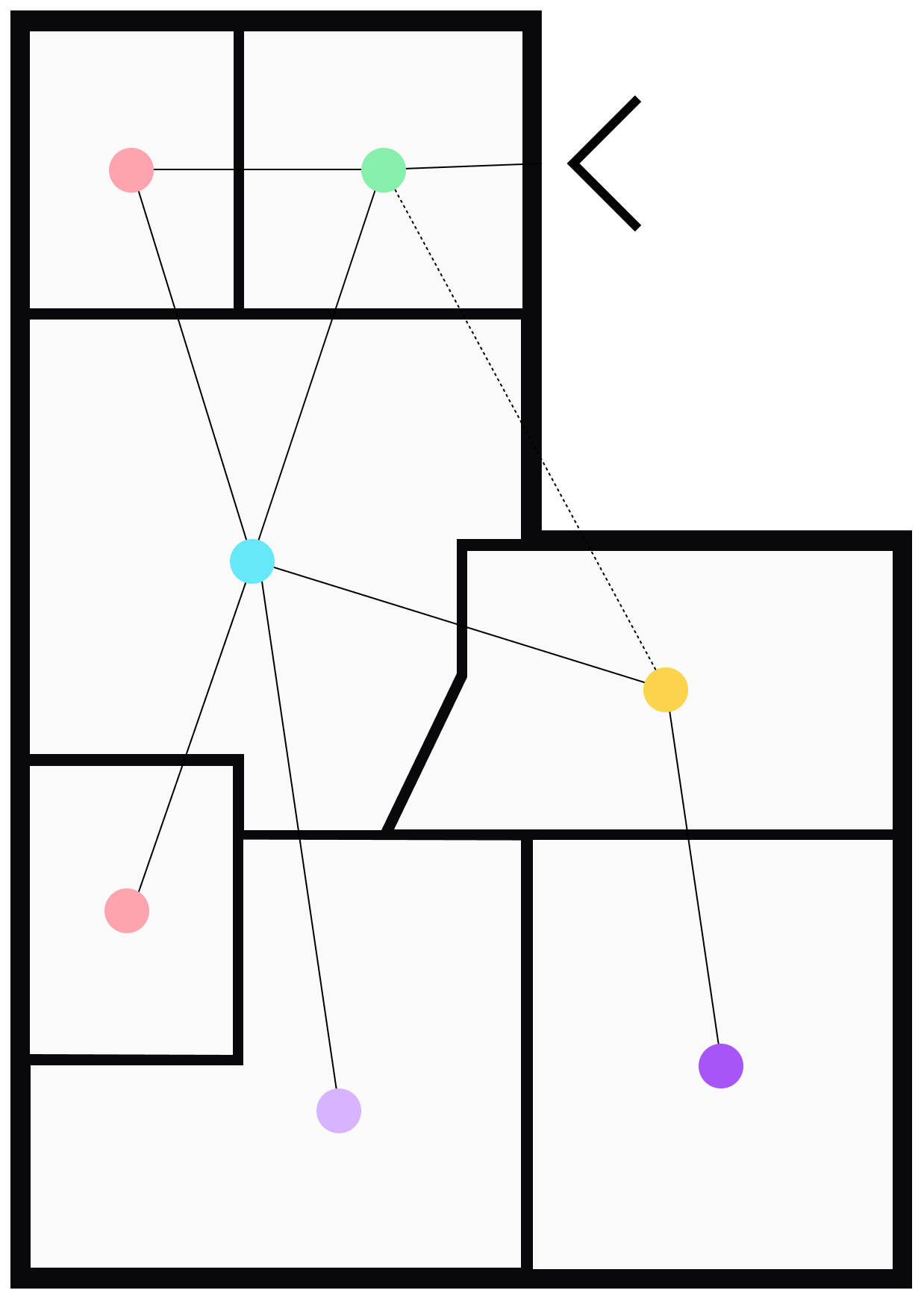
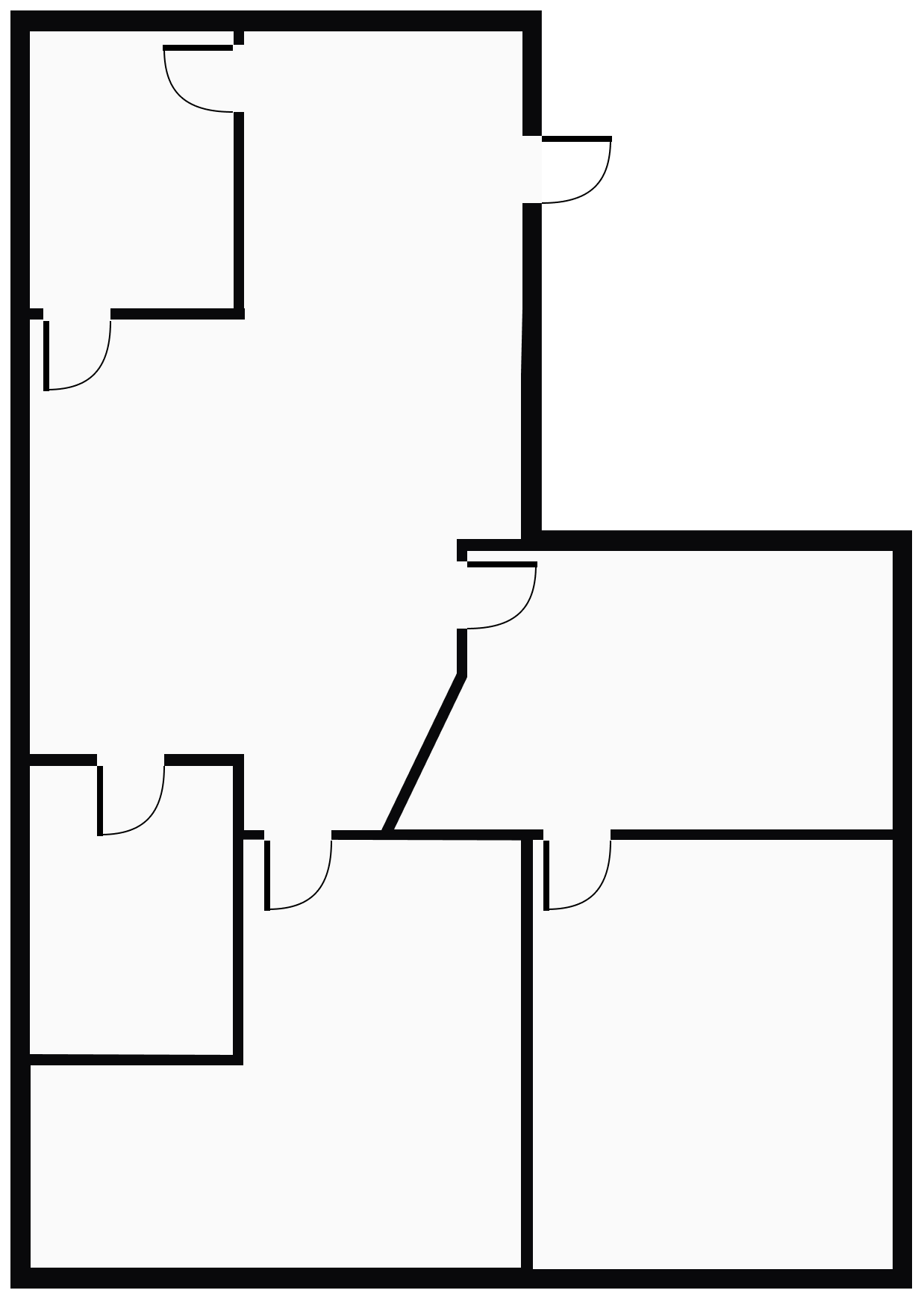
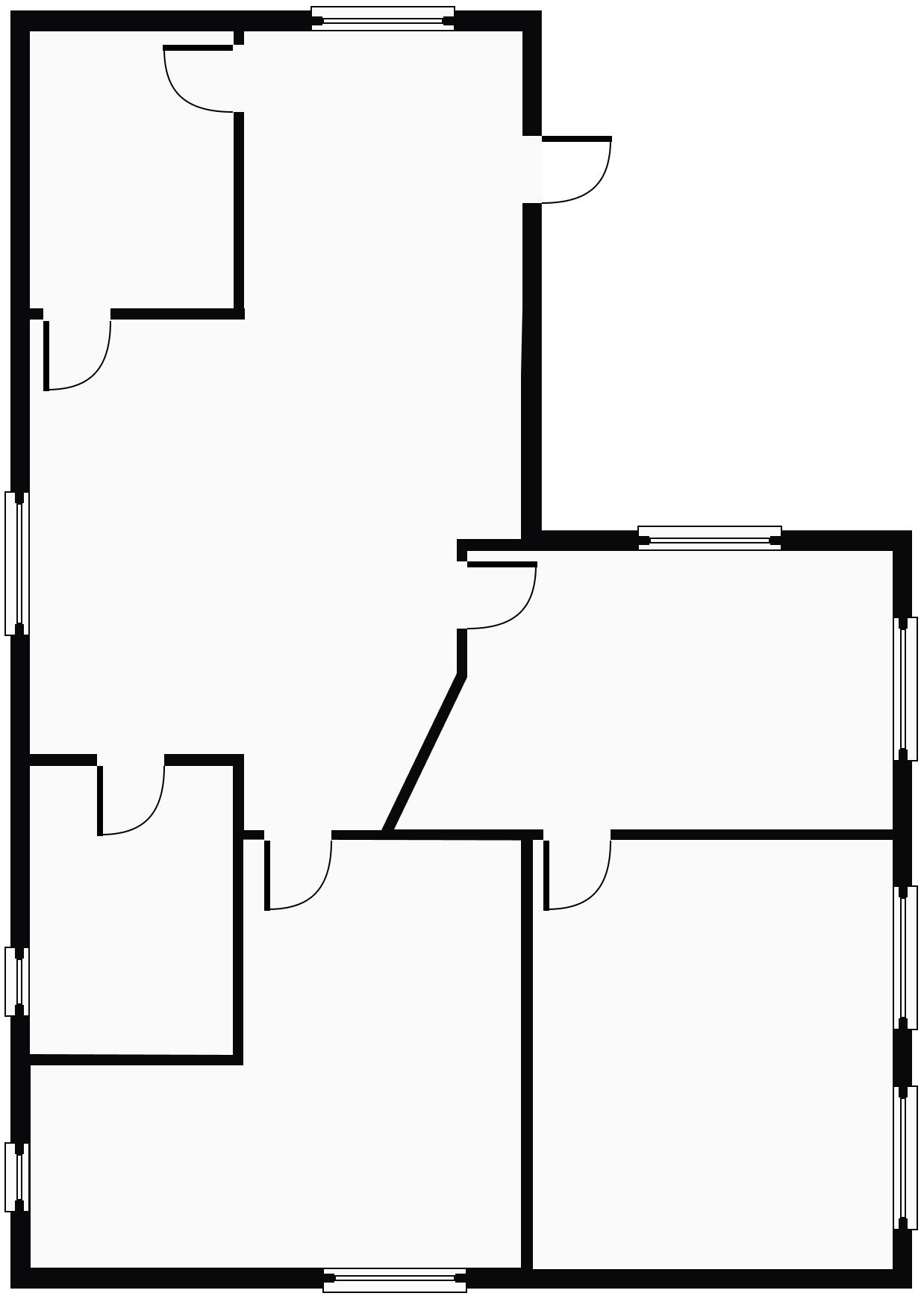
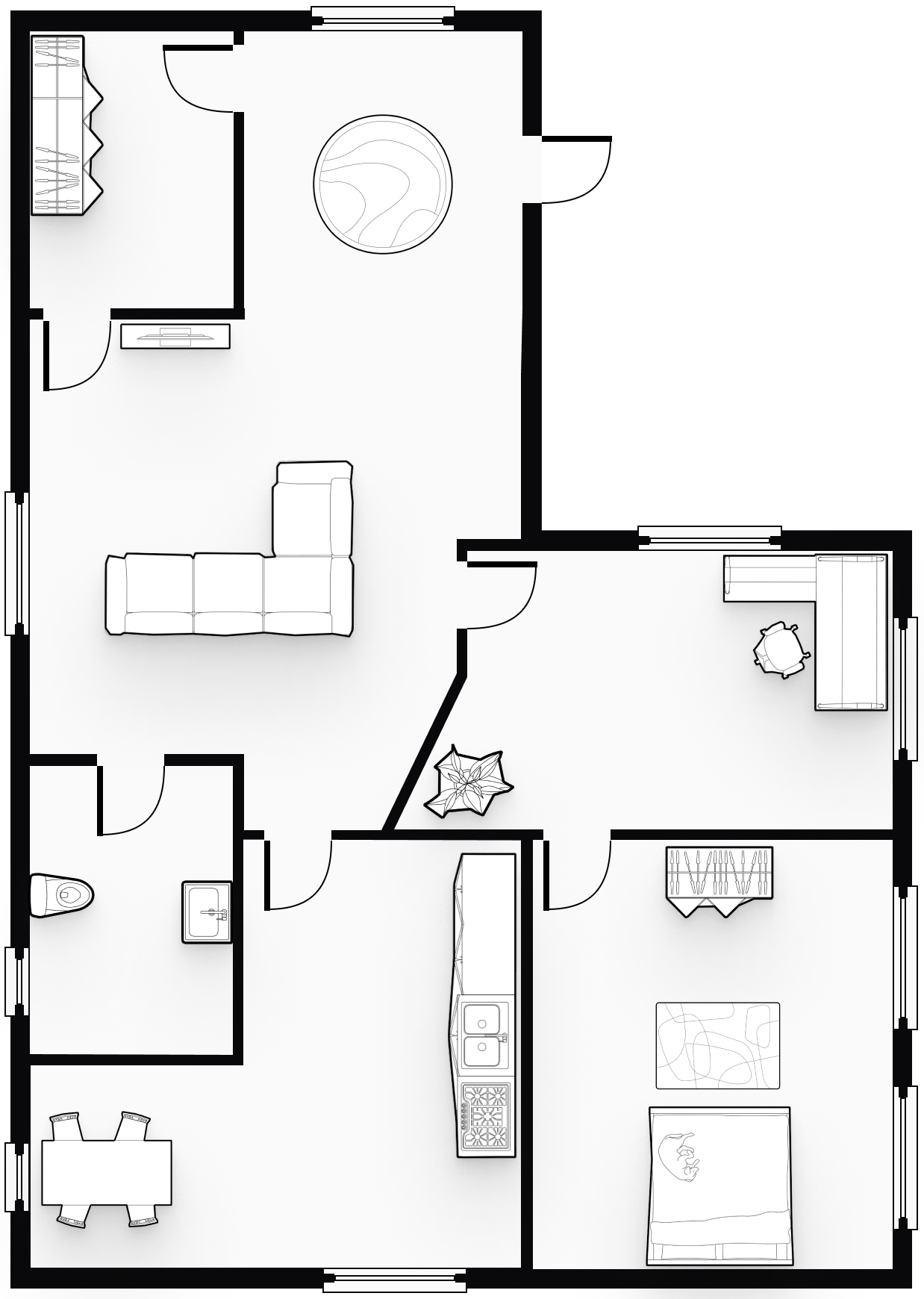
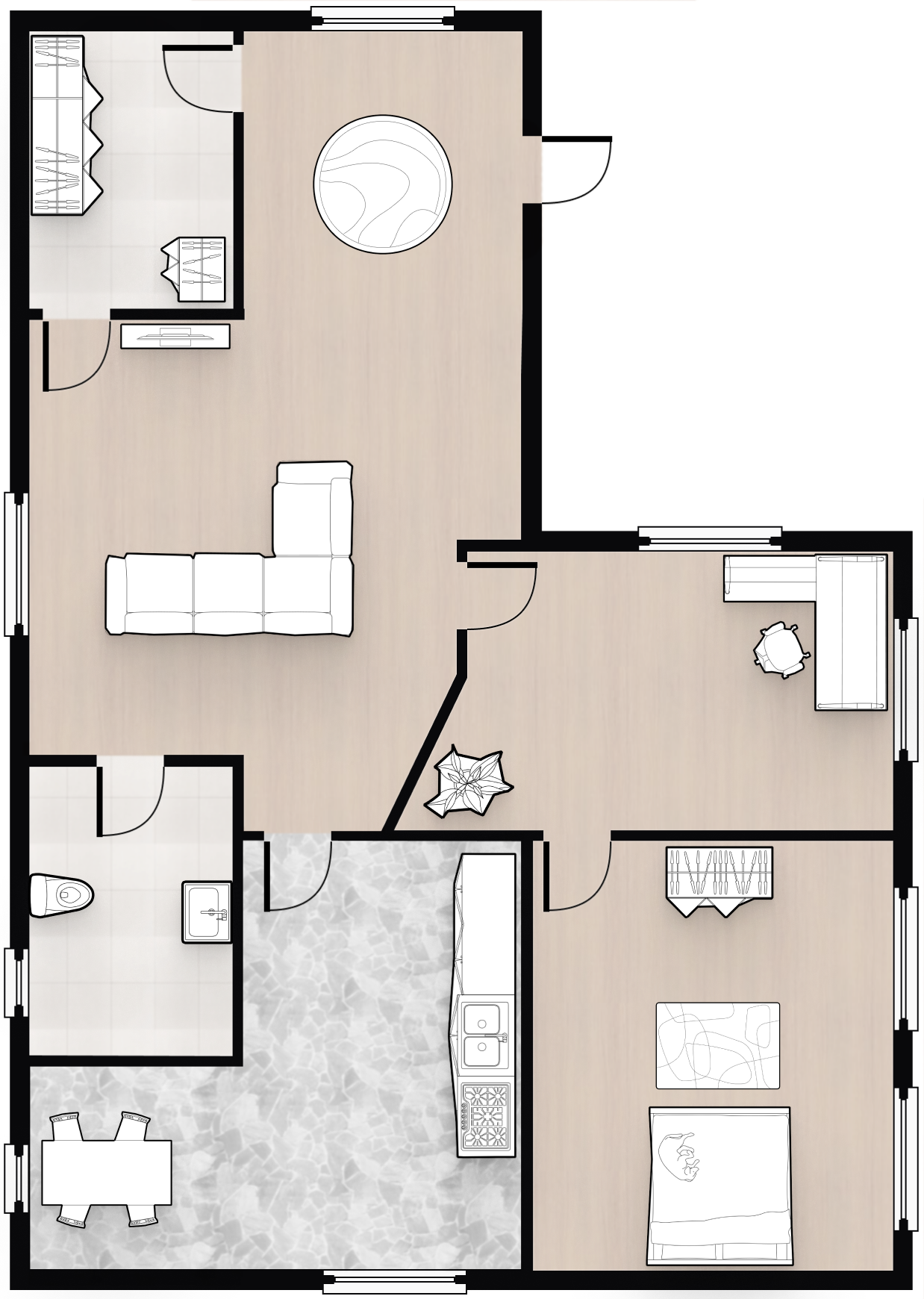
In a world where technology is constantly evolving, an offspring of Natural Langue Processing(NLP) emerged and was known as Large Language Models(LLMs). LLMs created an opportunity for humans and machine to communicate in ways we have never seen before, even though it can be deemed soulless in its creation; it does have a diverse range of usage. This graduate thesis investigates how will an early stage floor plan software be designed to facilitate the interaction between an architect and LLM.
During the thesis development, many LLMs platforms were strictly conversational and failed in long or complex task, it didn't provide any reasoning as to why it does what it does, and it failed to solve simple arithmetic's so how can it even create a floorplan?
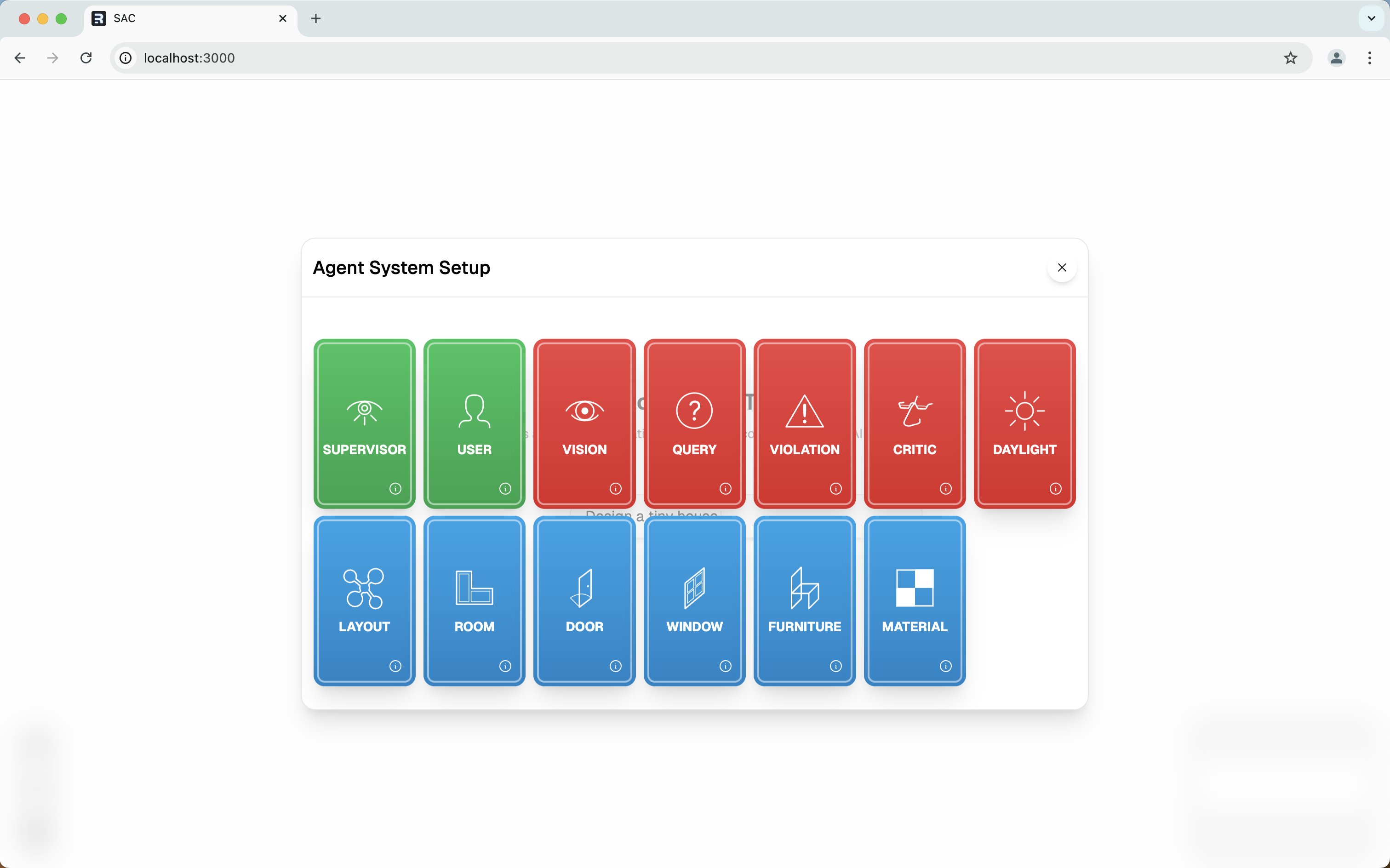
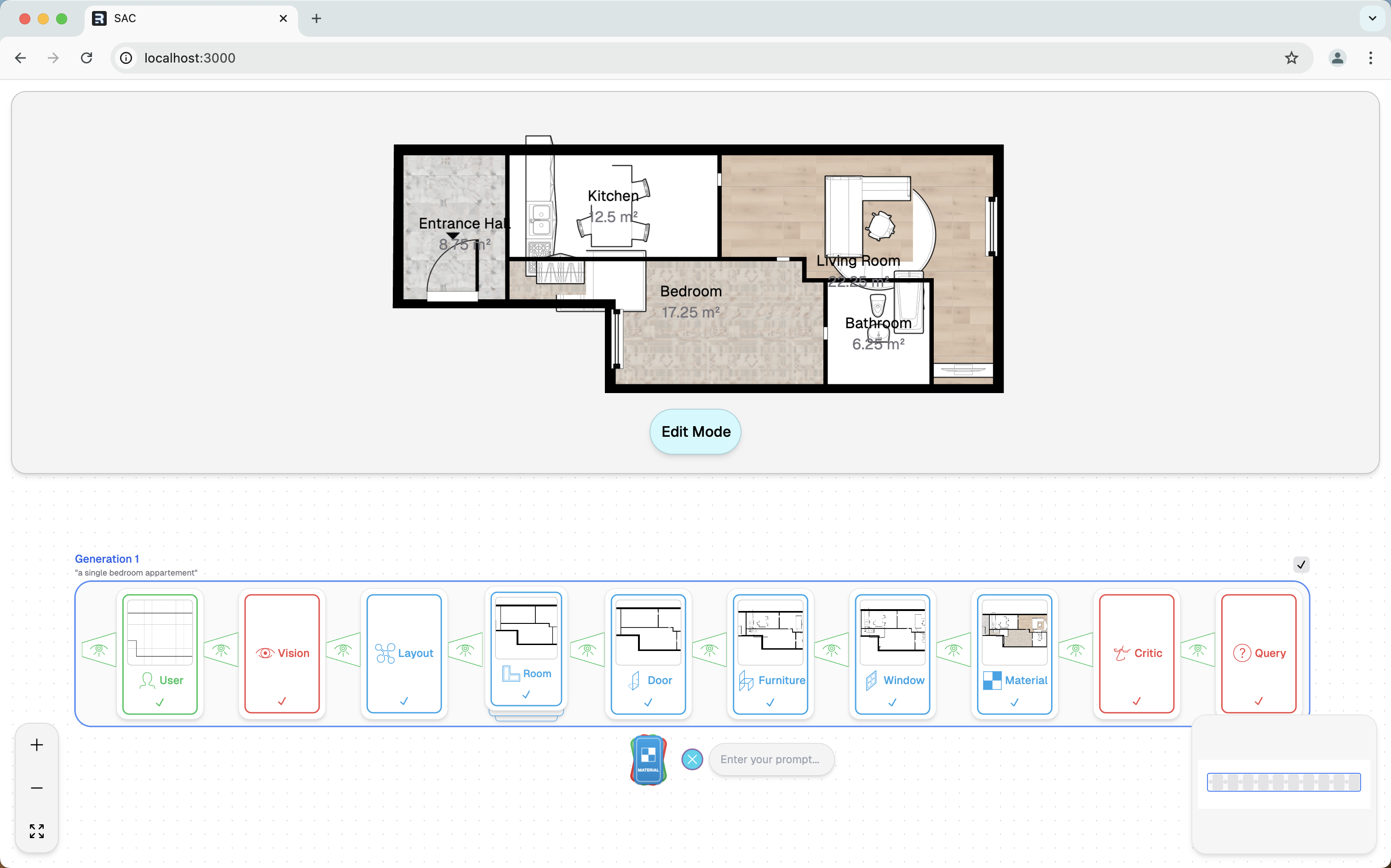
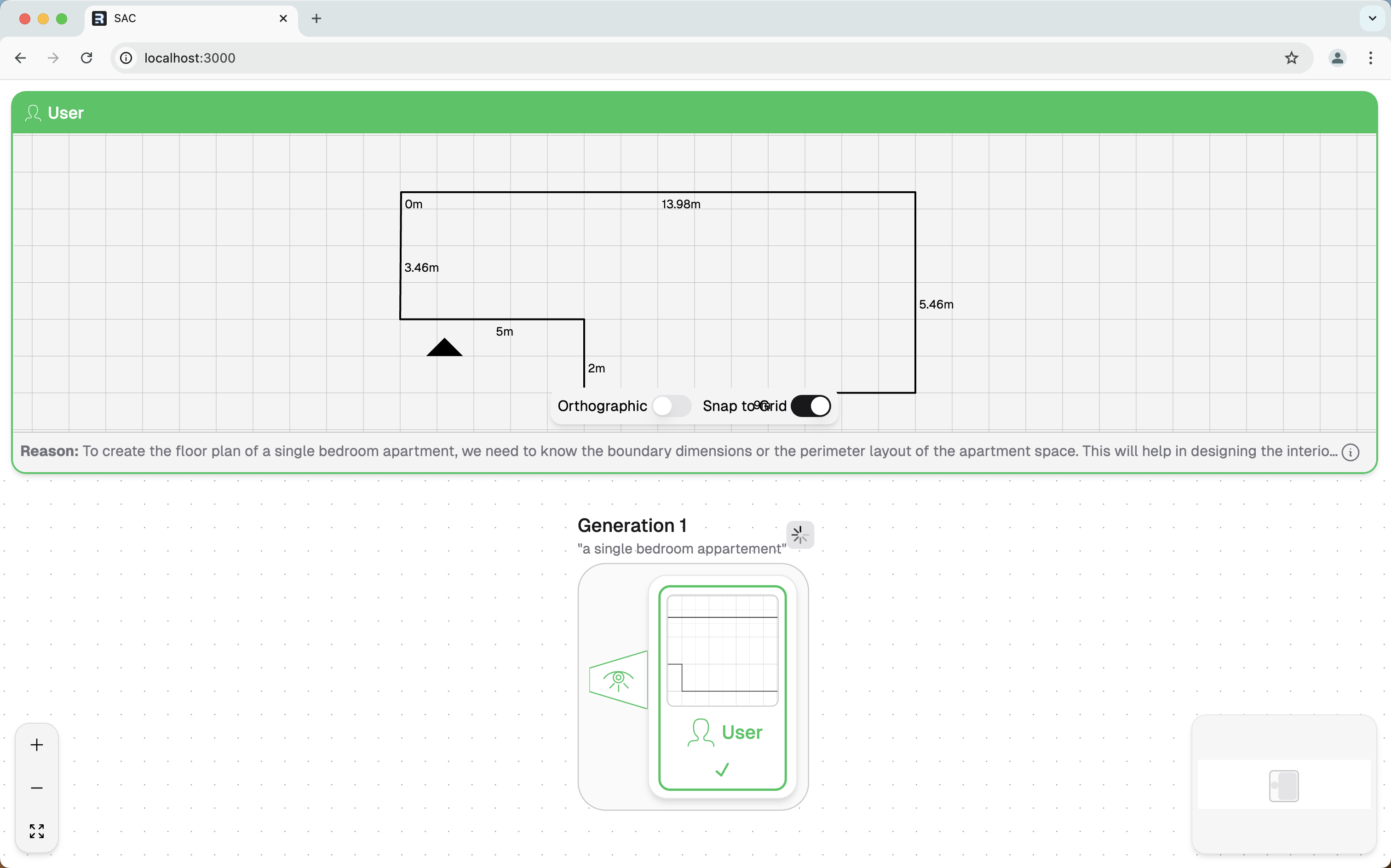
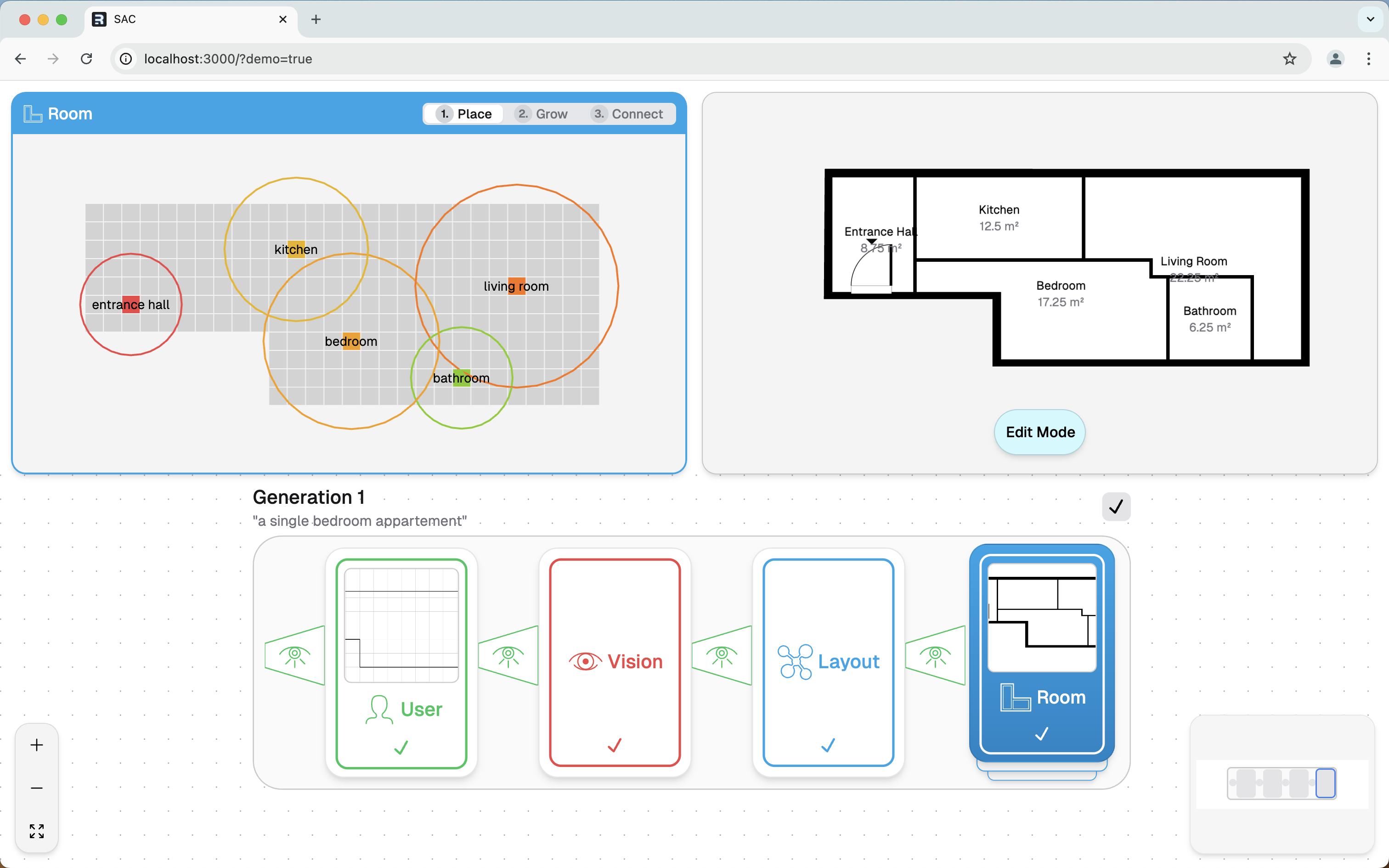
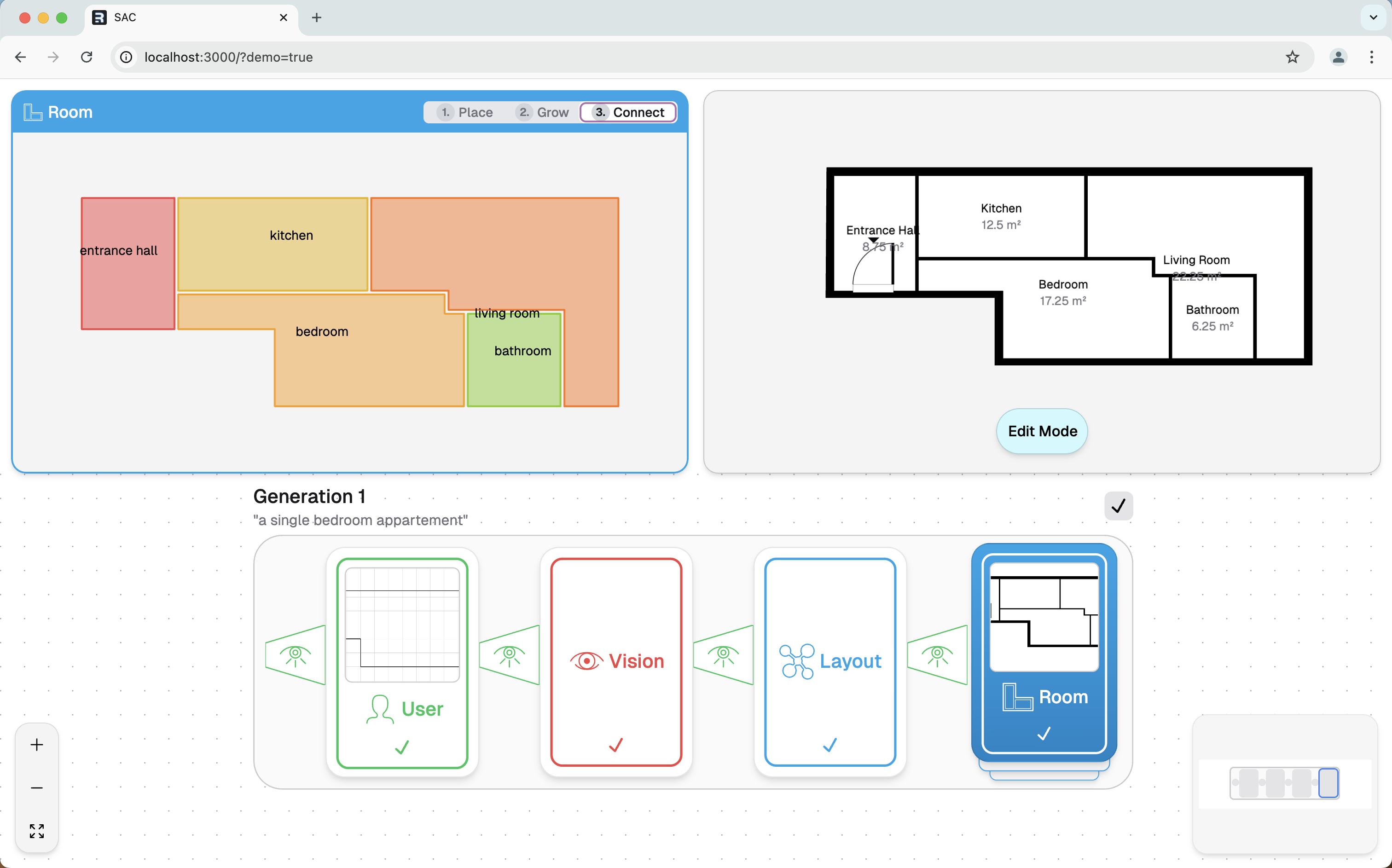
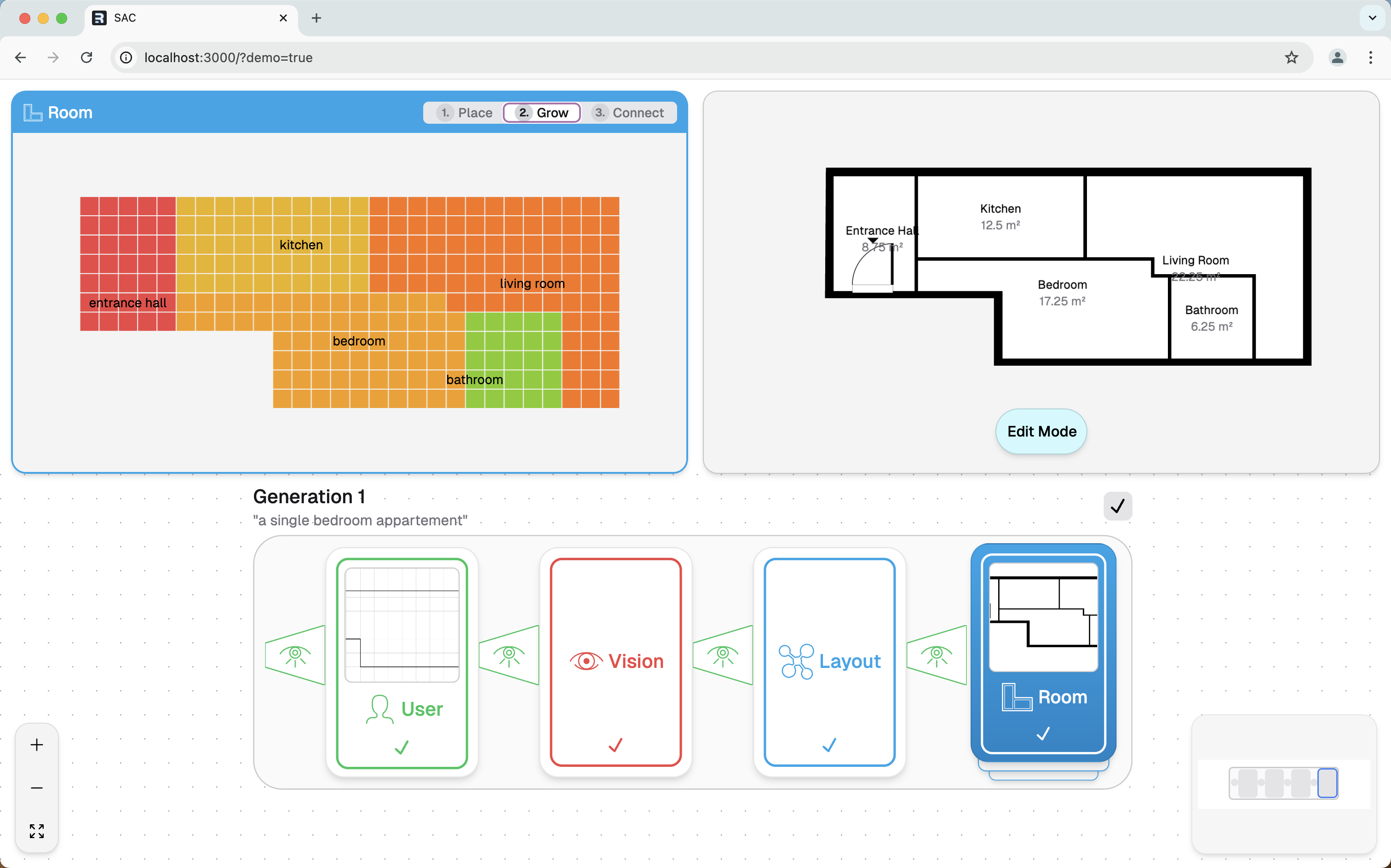
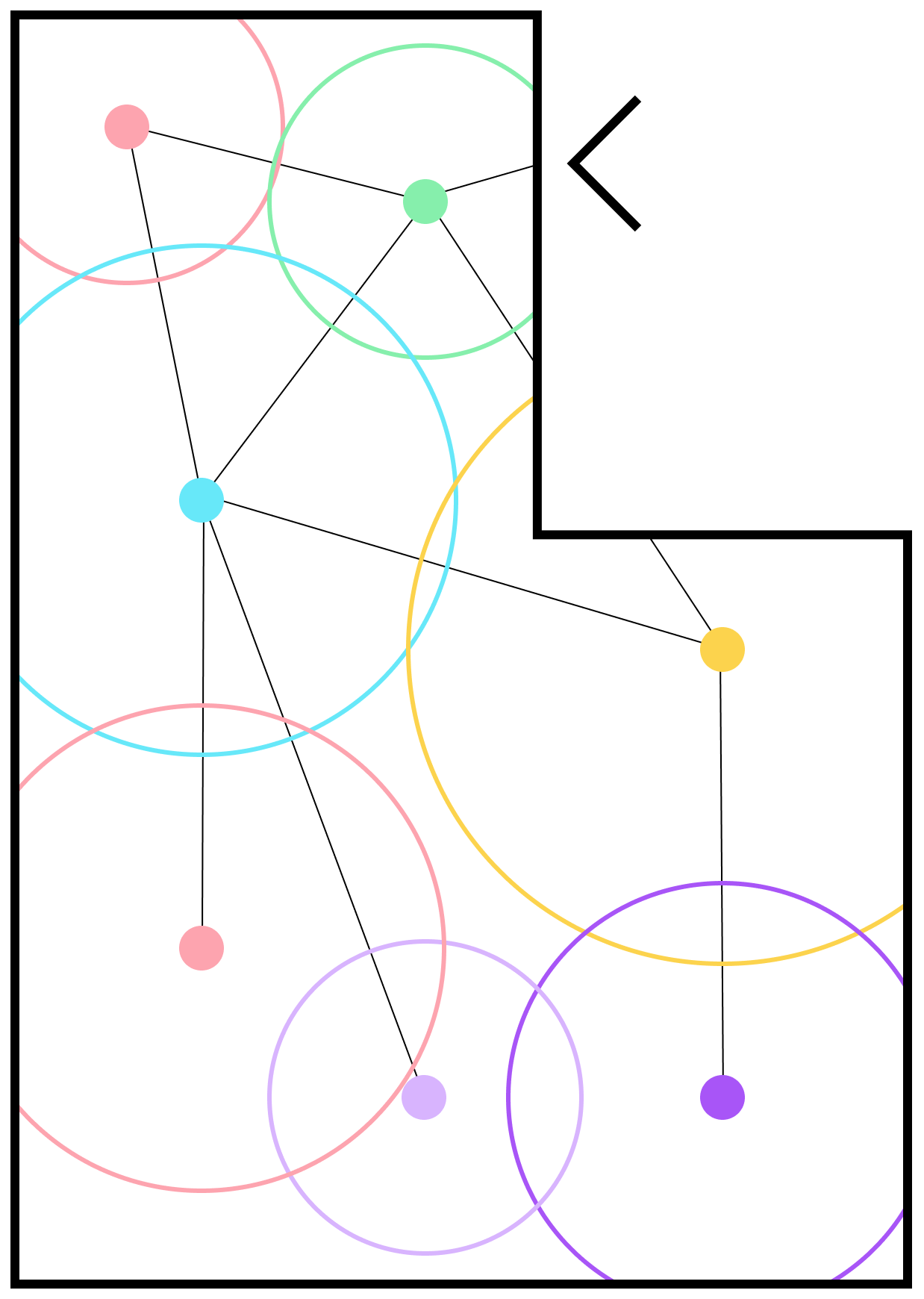
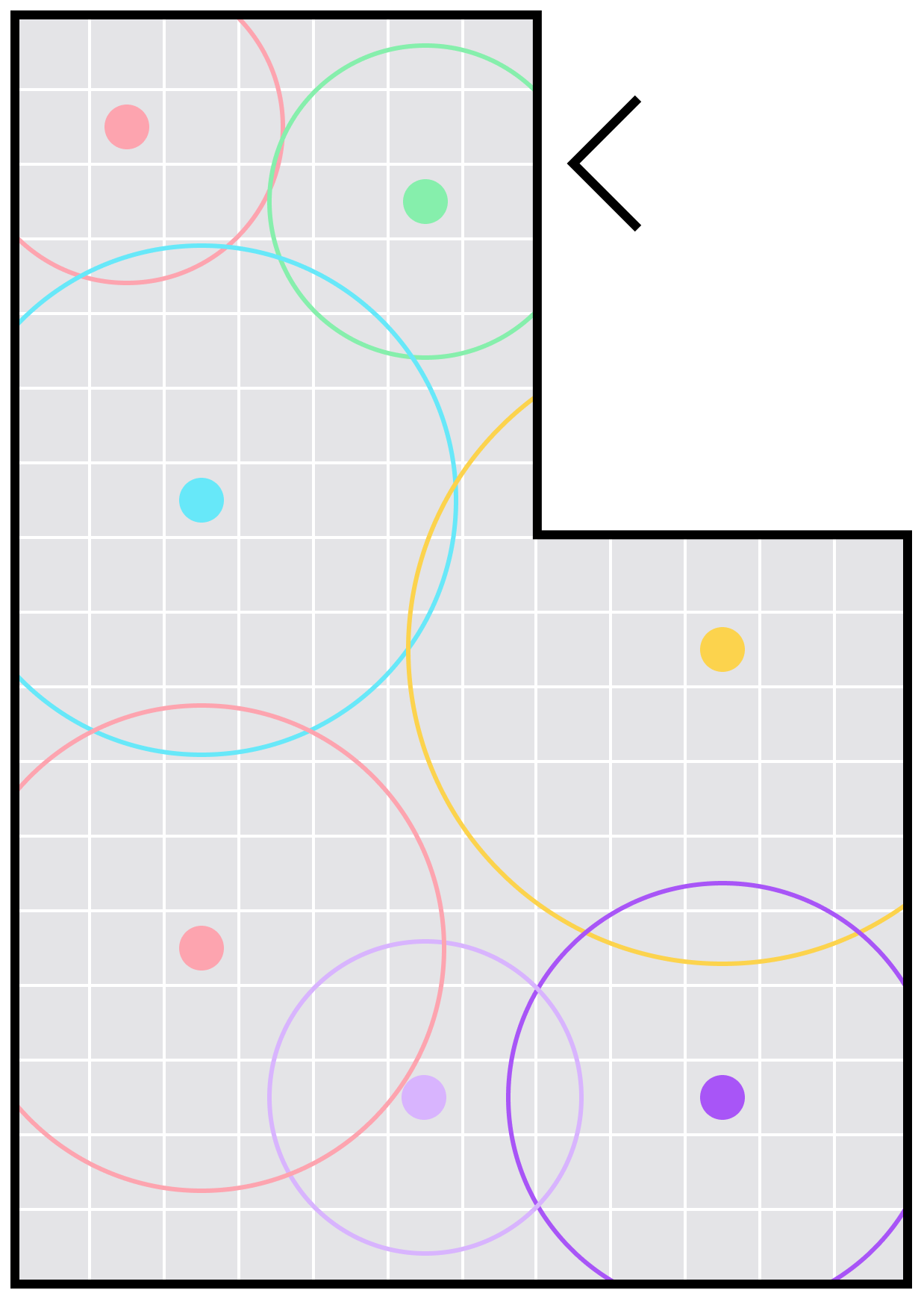
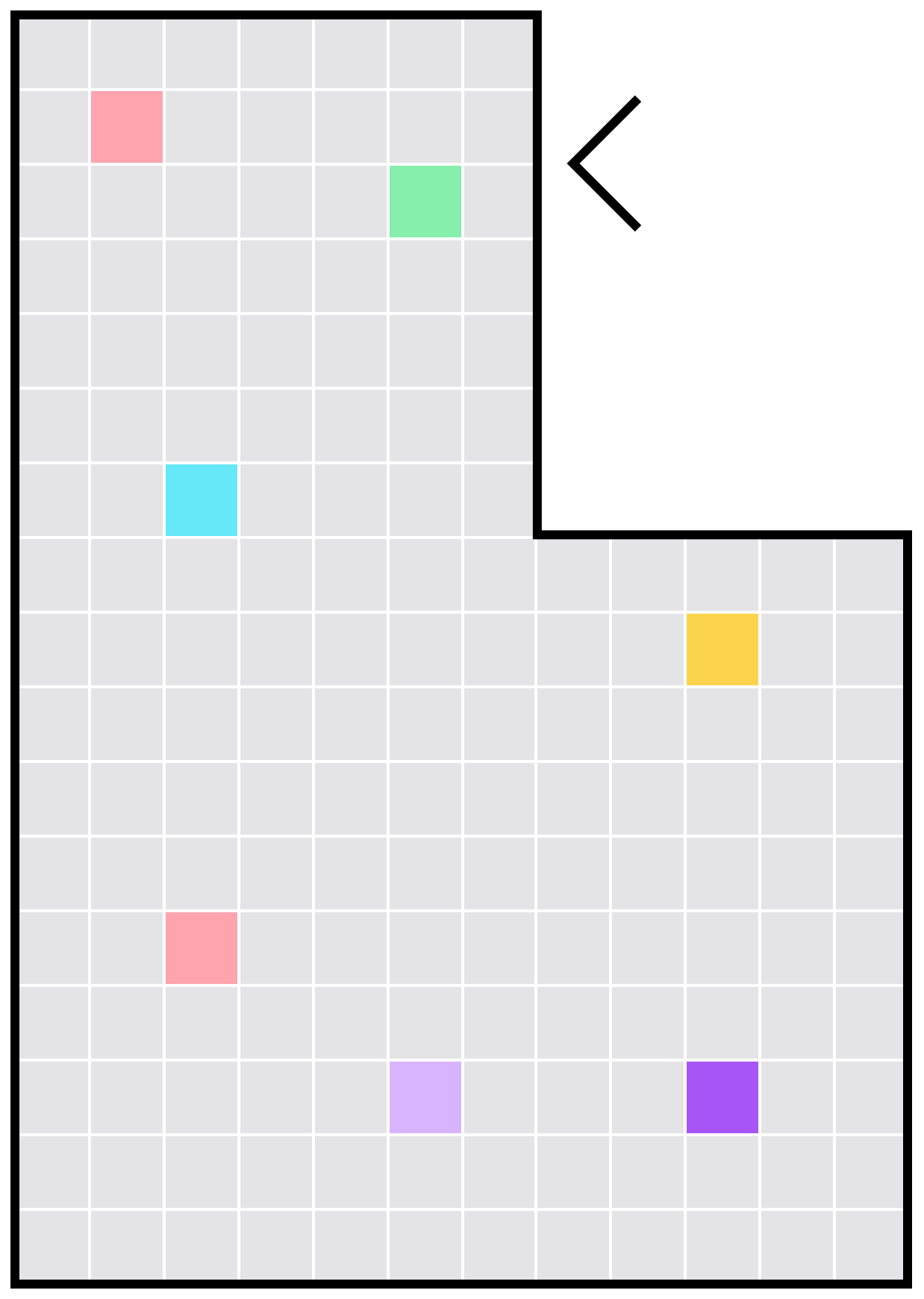
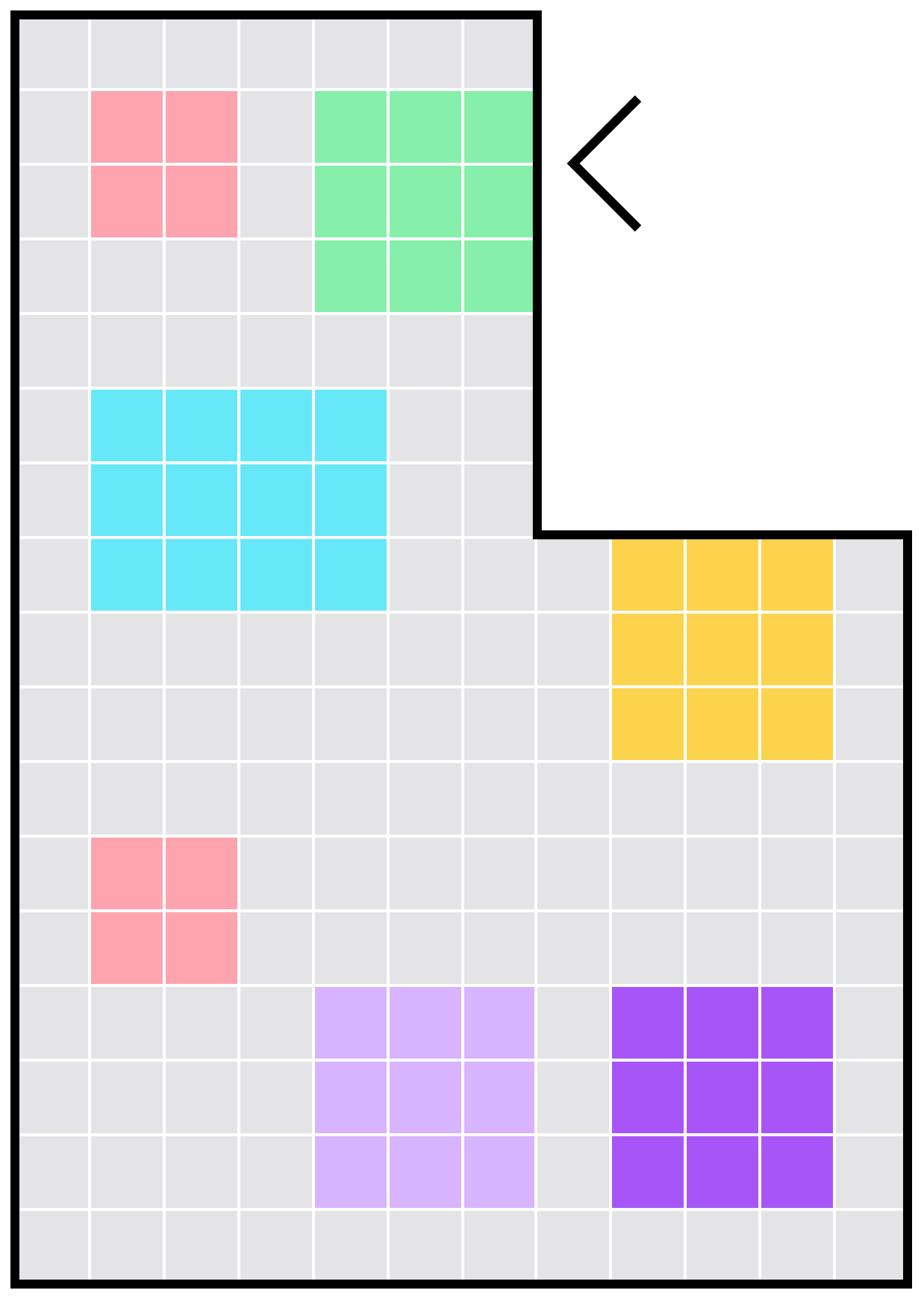
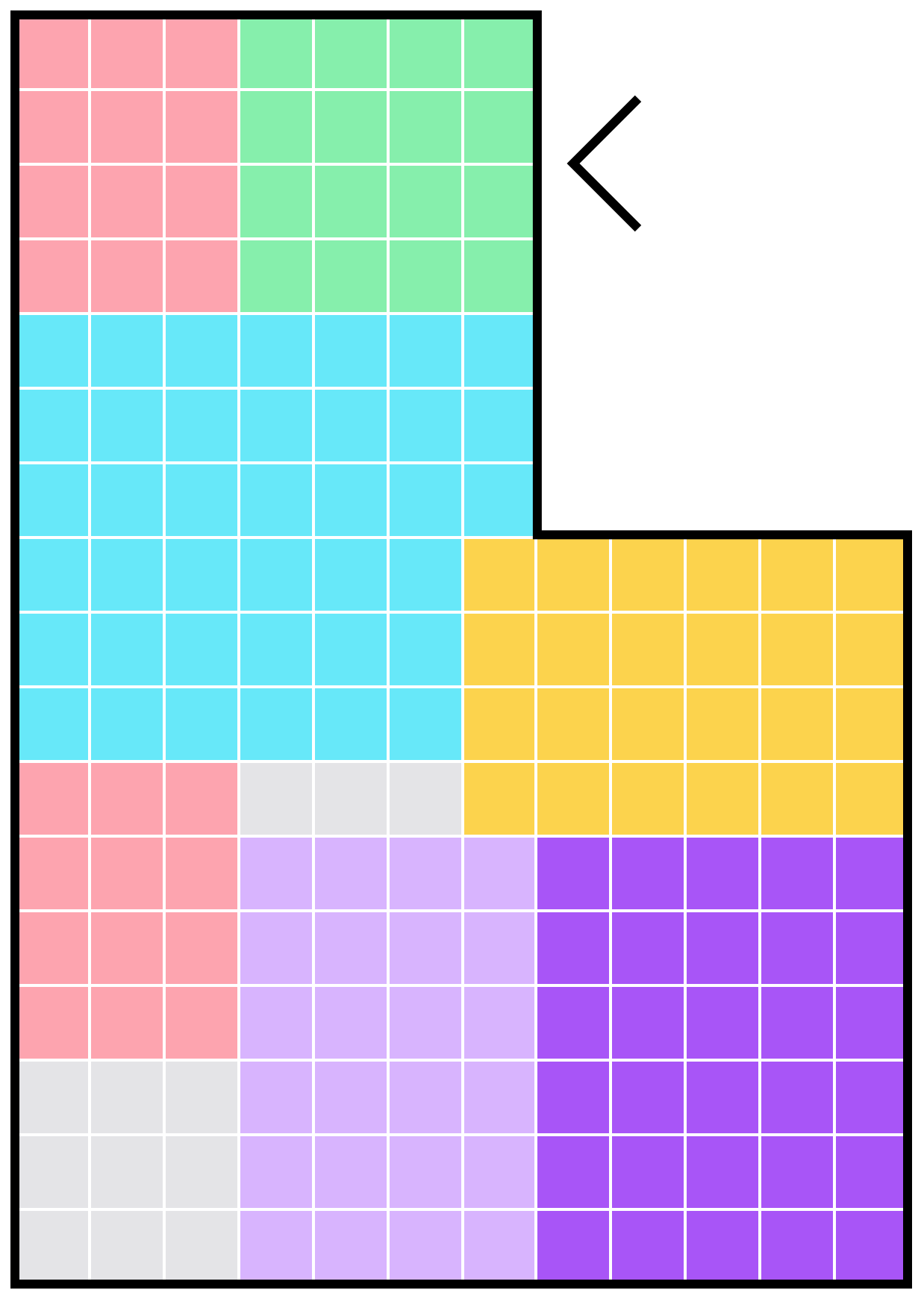
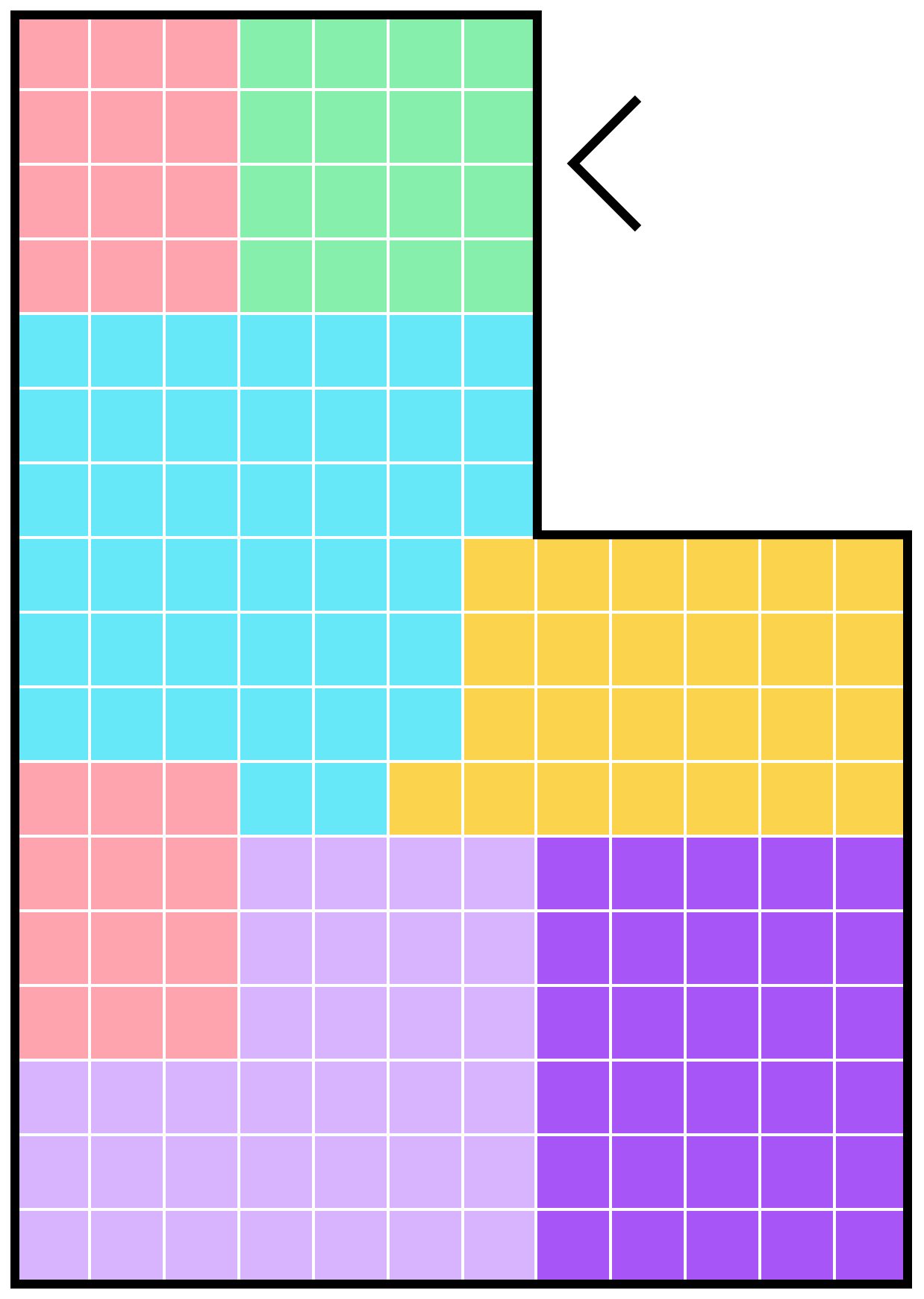
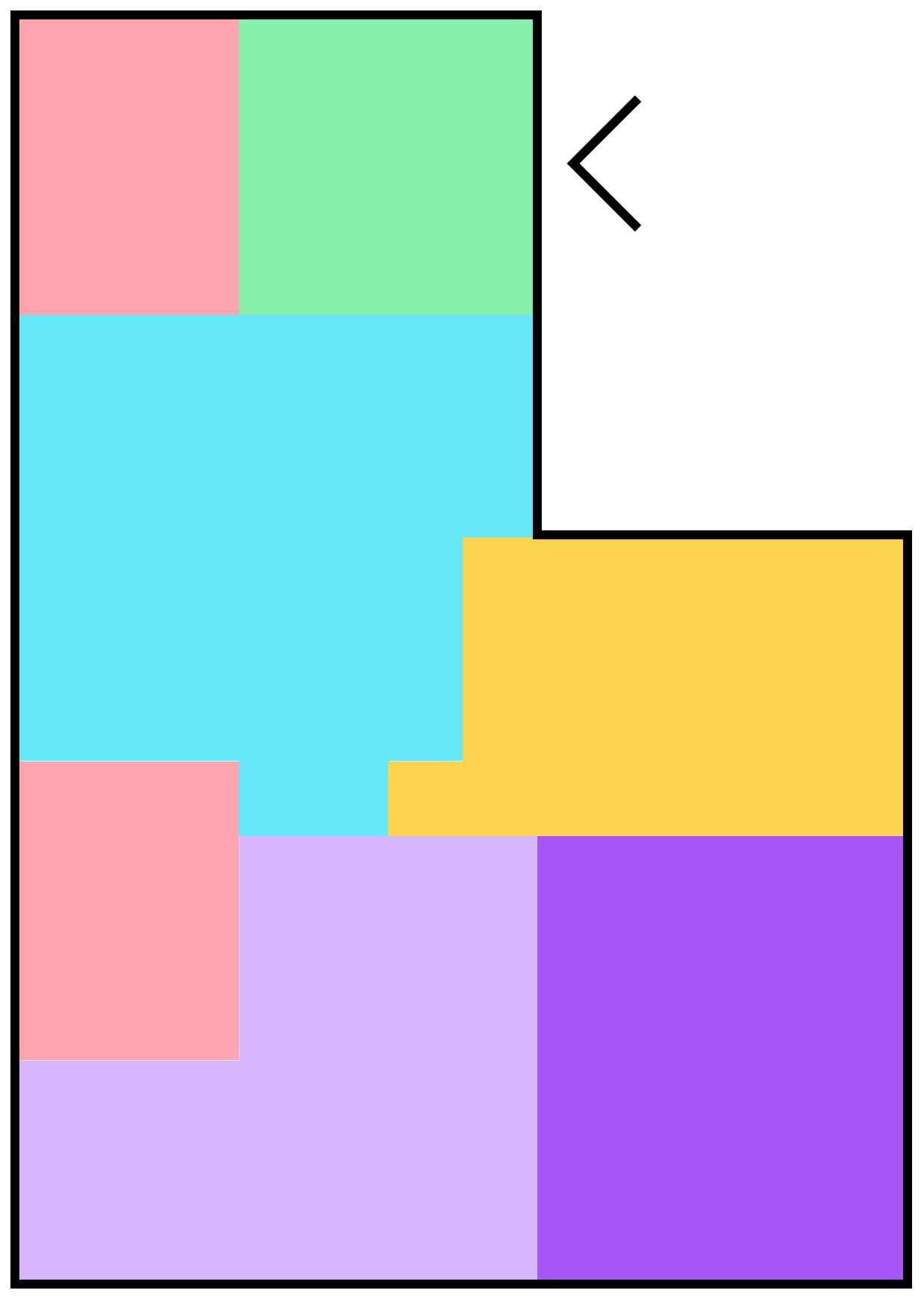
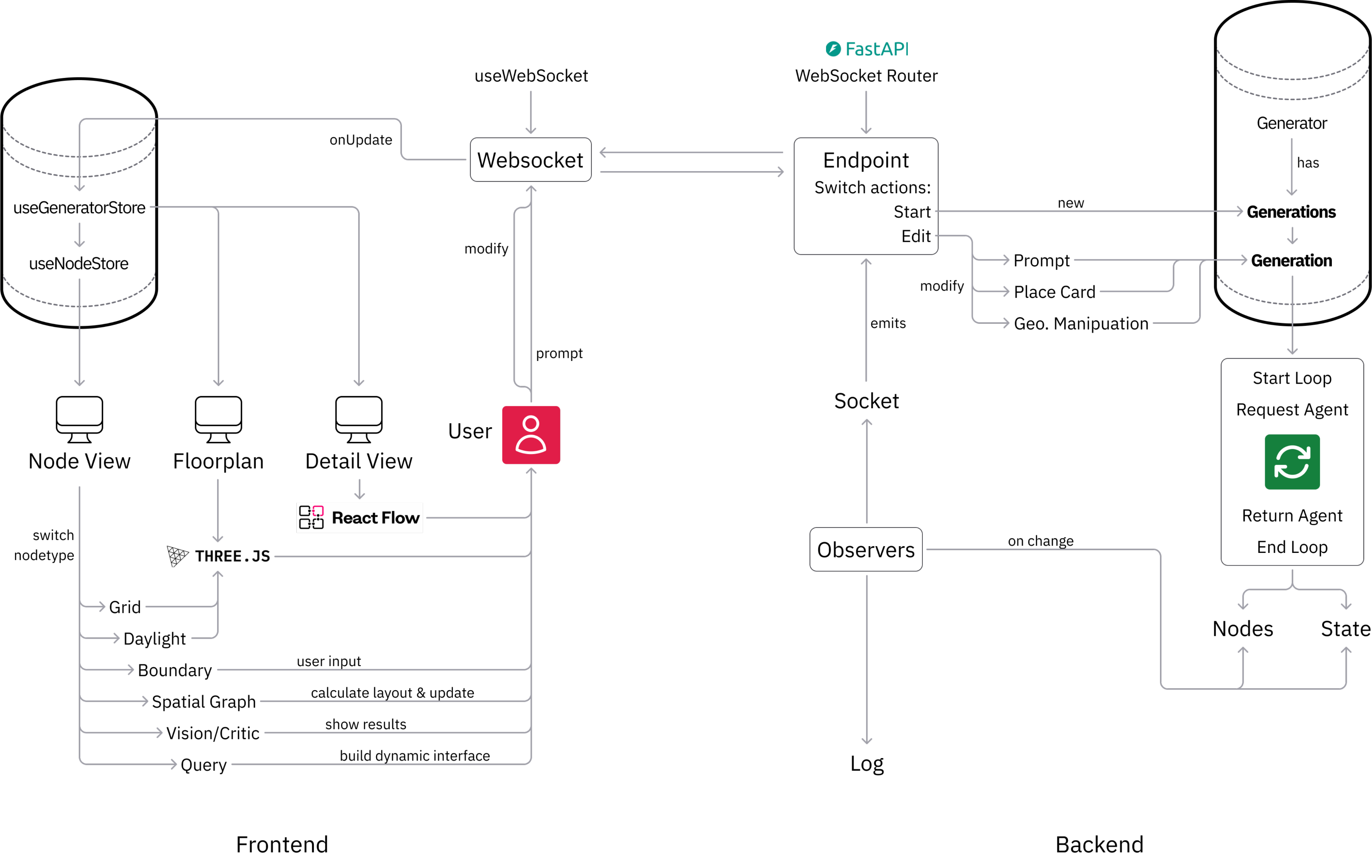
My task was to tackle these limitations, in which I proposed to make use of multiple LLMs that each have a unique role based on their system prompt and are chained to other LLMs (meaning one LLMs output will be the next LLMs input). By doing so, it performs much better on complex task than a single LLM ever could as the major task are broken down into smaller and more specific tasks, allowing the LLM to better plan on what it should do. Additionally, providing LLMs a programmable function, such as an addition function coded in python where it can input its semantic data into, thus improving its output accuracy without the need to re-train or fined tune it for that specific task. So in this case, it can create spatial geometry from semantic data from the geometric tools I coded.